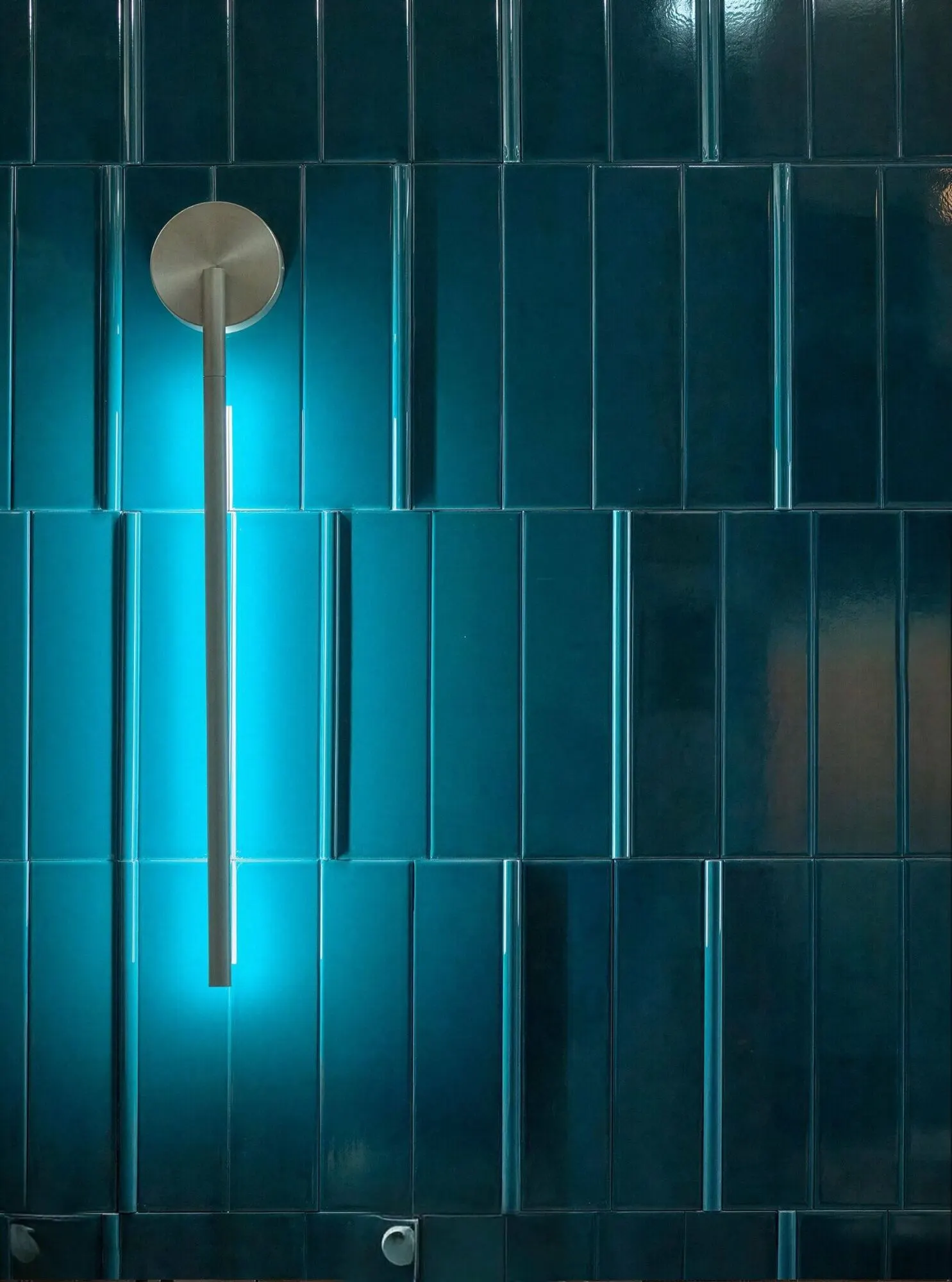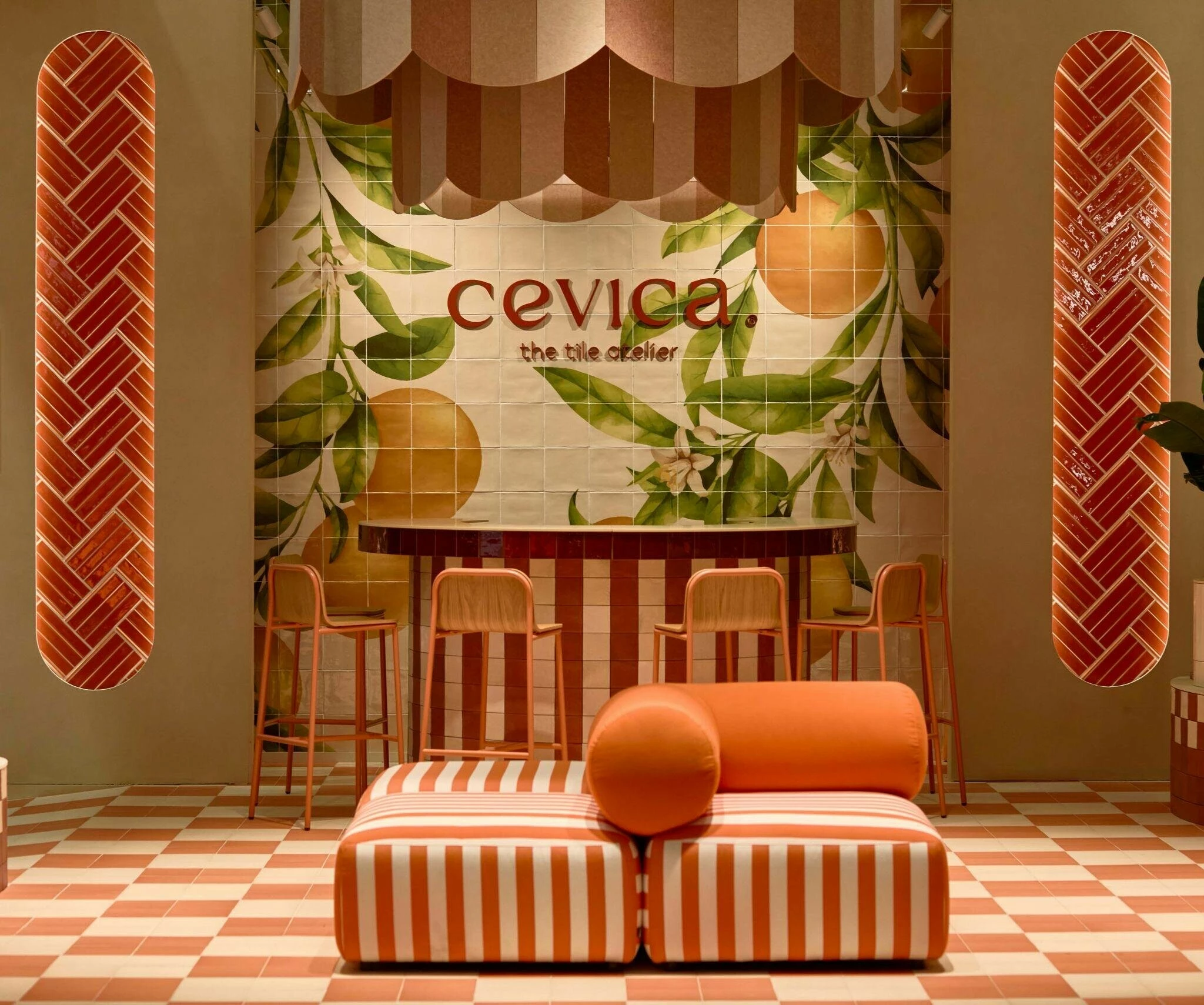
News 20/05/2026

Ceramics and interior design

Share

Ceramics and interior design

Together with Paralela, we explore a way of understanding ceramics beyond cladding: small formats, texture, color, and narrative.

In the world of design, architecture, and interior design in professional sectors such as contract, it is no longer enough to simply clad well; it is necessary to create an experience for the viewer.

With visual overexposure and immediate access to references from all over the world, every project faces the challenge of ‘going beyond’. More and more, the aim is to do something that catches attention and stands out from everything already seen. Capturing attention is fine as a one-off, but to make someone want to approach, observe, or stay, there has to be a strong concept behind it, an idea capable of guiding and giving meaning to the project.

At Cevica we share this point of view with studios that understand the material as we do, as something alive, capable of building atmospheres, journeys, and emotions.

This is where Paralela comes in, an architecture and interior design studio formed by Pedro Francisco and Alexia Martínez that was born from the same concern: understanding space as something that goes beyond the functional.

For them, the concept must be very clear from the outset and there must be constant dialogue between architecture, interior design, design, and the technical side. In their studio: technique, emotion, material, and experience move in parallel. As they explain from the studio, their goal is not to impose an image, but to accompany each project until it finds its own identity.

Ceramics as part of the concept

This meeting between Paralela and Cevica stems from a shared vision: understanding ceramics not as the final layer of the project but as an expressive element.

For the studio: “working with tiles is working with rhythm, texture, light, and detail”. That is why they find that the most inspiring thing about Cevica lies in the personality of its collections.

“Cevica has a very honest and creative way of understanding ceramics, very connected to tradition, but also with a contemporary outlook. That allows us to design spaces with character, where the ceramic piece does not simply accompany, but becomes the protagonist,” Paralela comments.
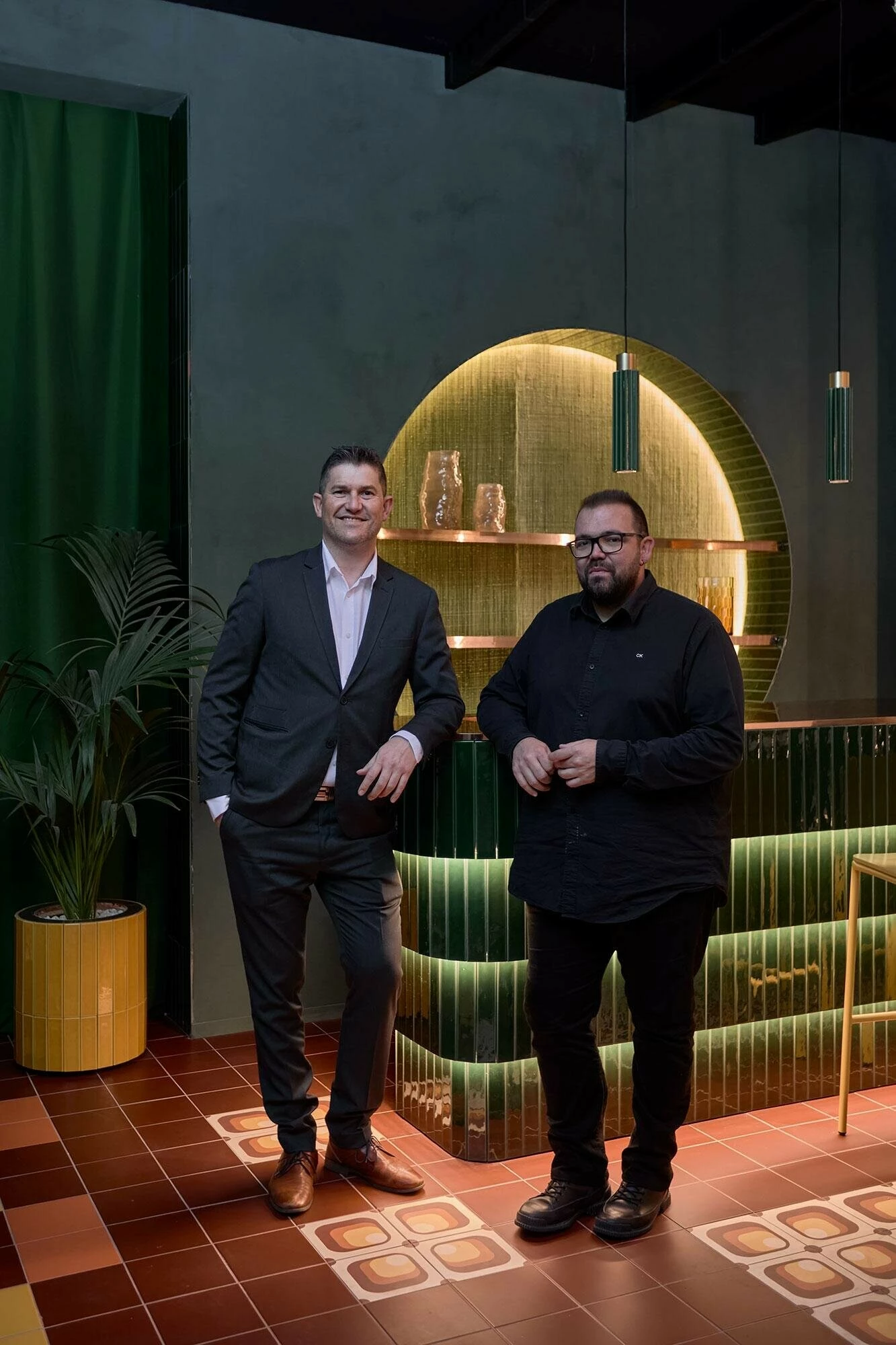
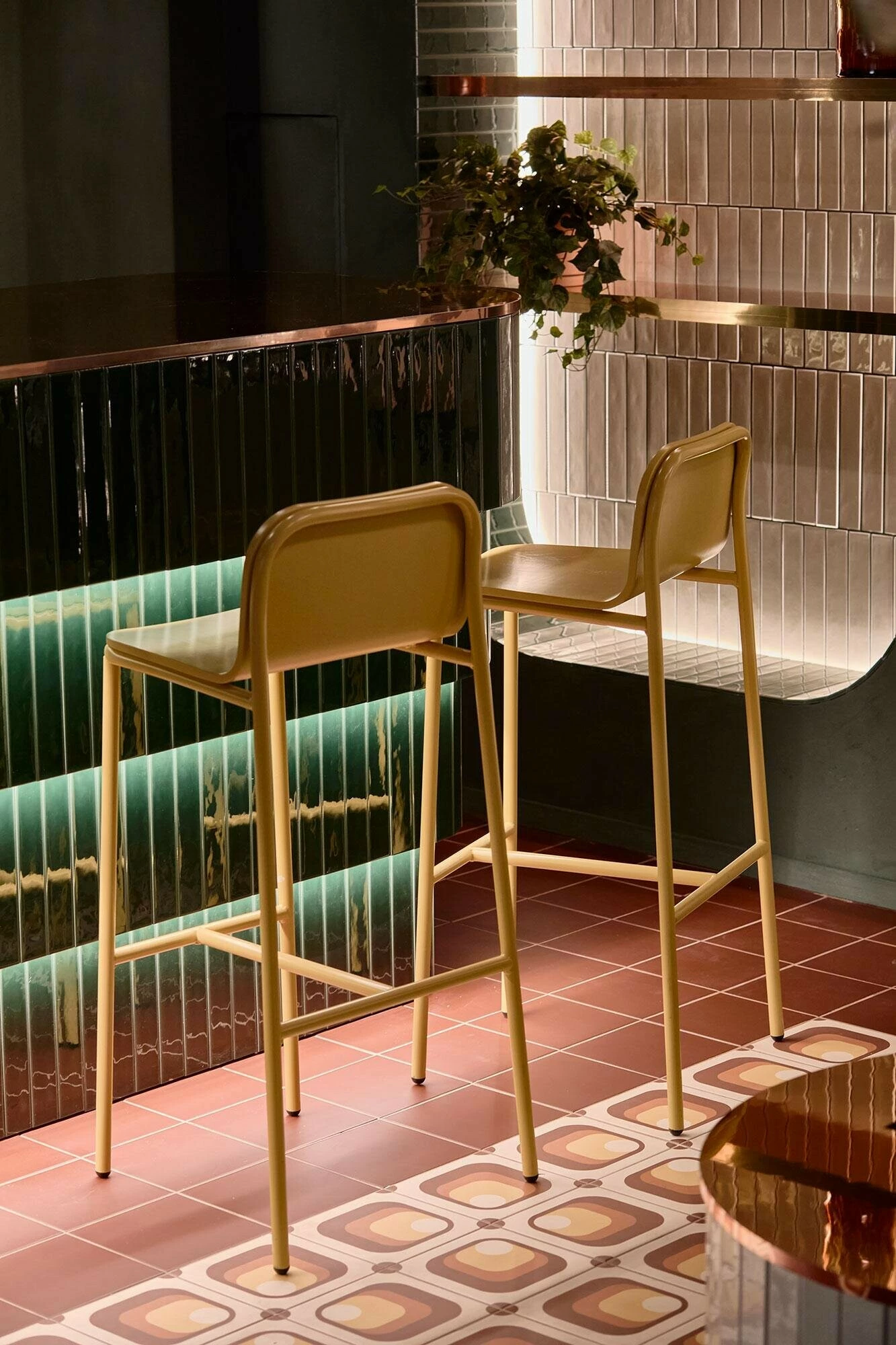
Projects with Tiles: Rhythm, Light, Detail

At a trade fair, the challenge is not to attract attention; the real challenge is to make someone decide to come closer out of curiosity, to want to observe, and for the atmosphere to make them stay.

As explained by Paralela:

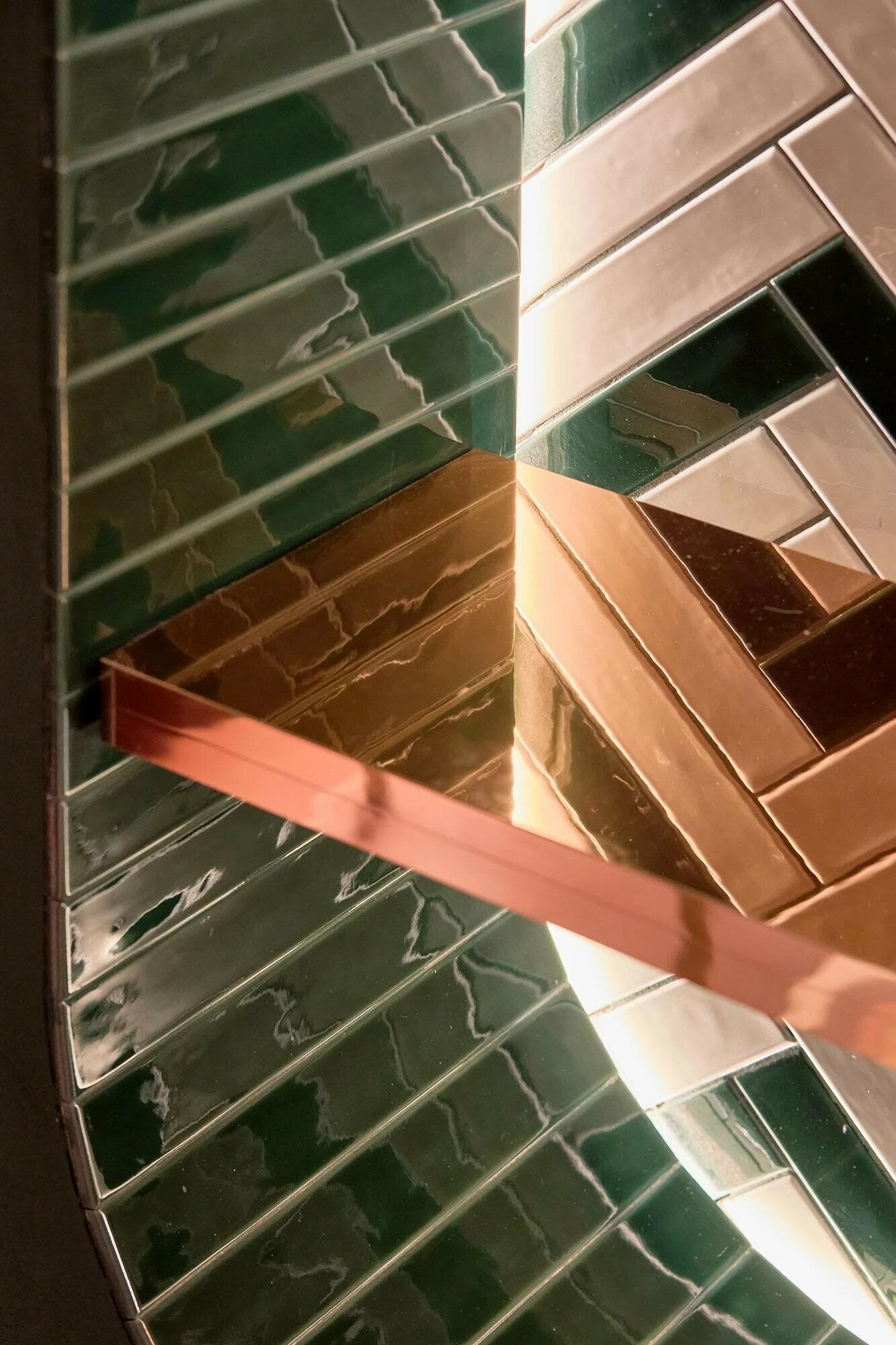
“In such a visually saturated environment, real material makes the difference. A well-lit relief, a texture that changes with movement, or a piece that invites touch can be much more effective than a spectacular gesture.”

This philosophy has guided several of the projects that Cevica and Paralela have developed together at fairs such as Cevisama and Cersaie, where ceramics are conceived not only as cladding, but as an active part of the spatial experience…

Cevisama Project: Night Fever

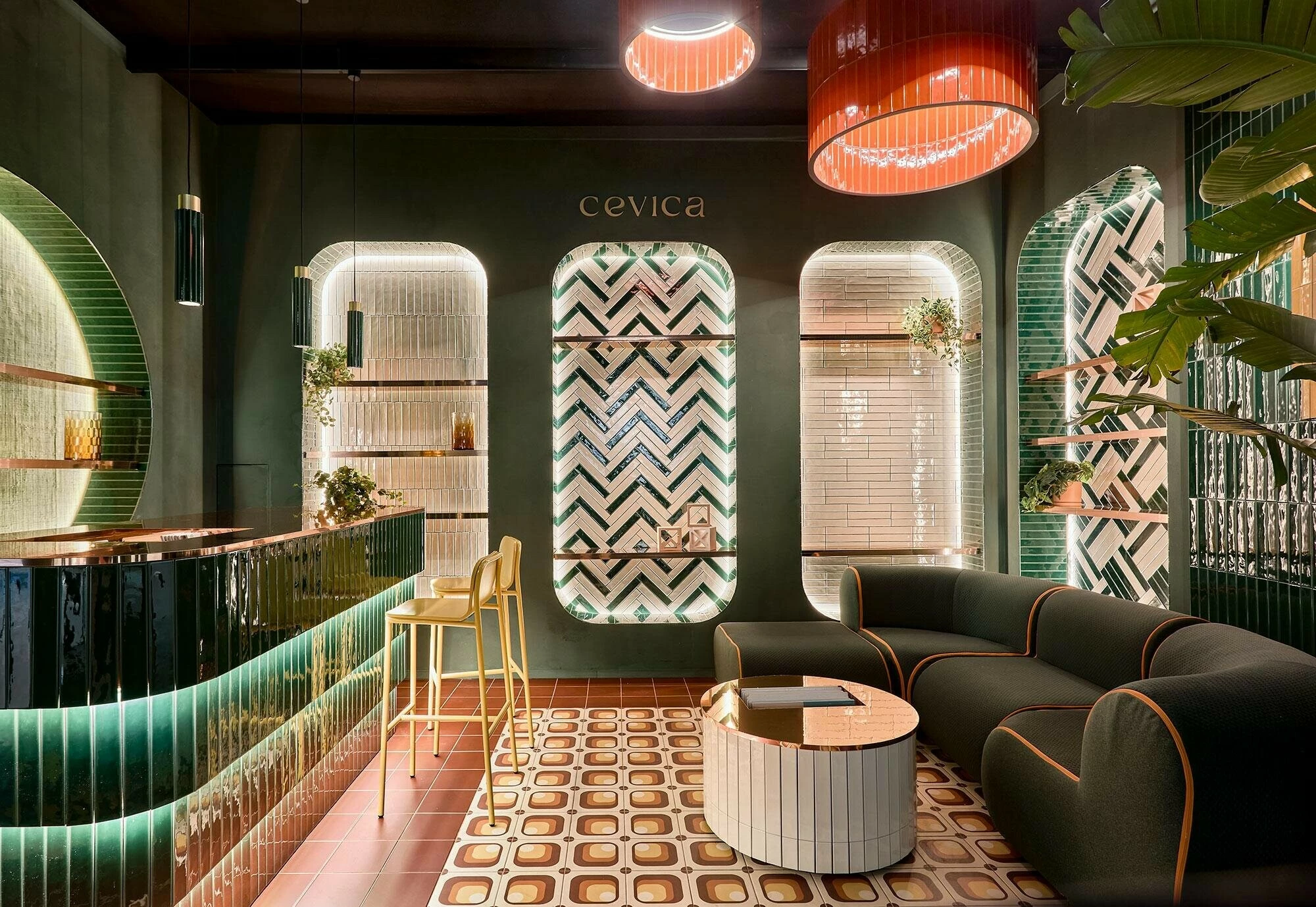
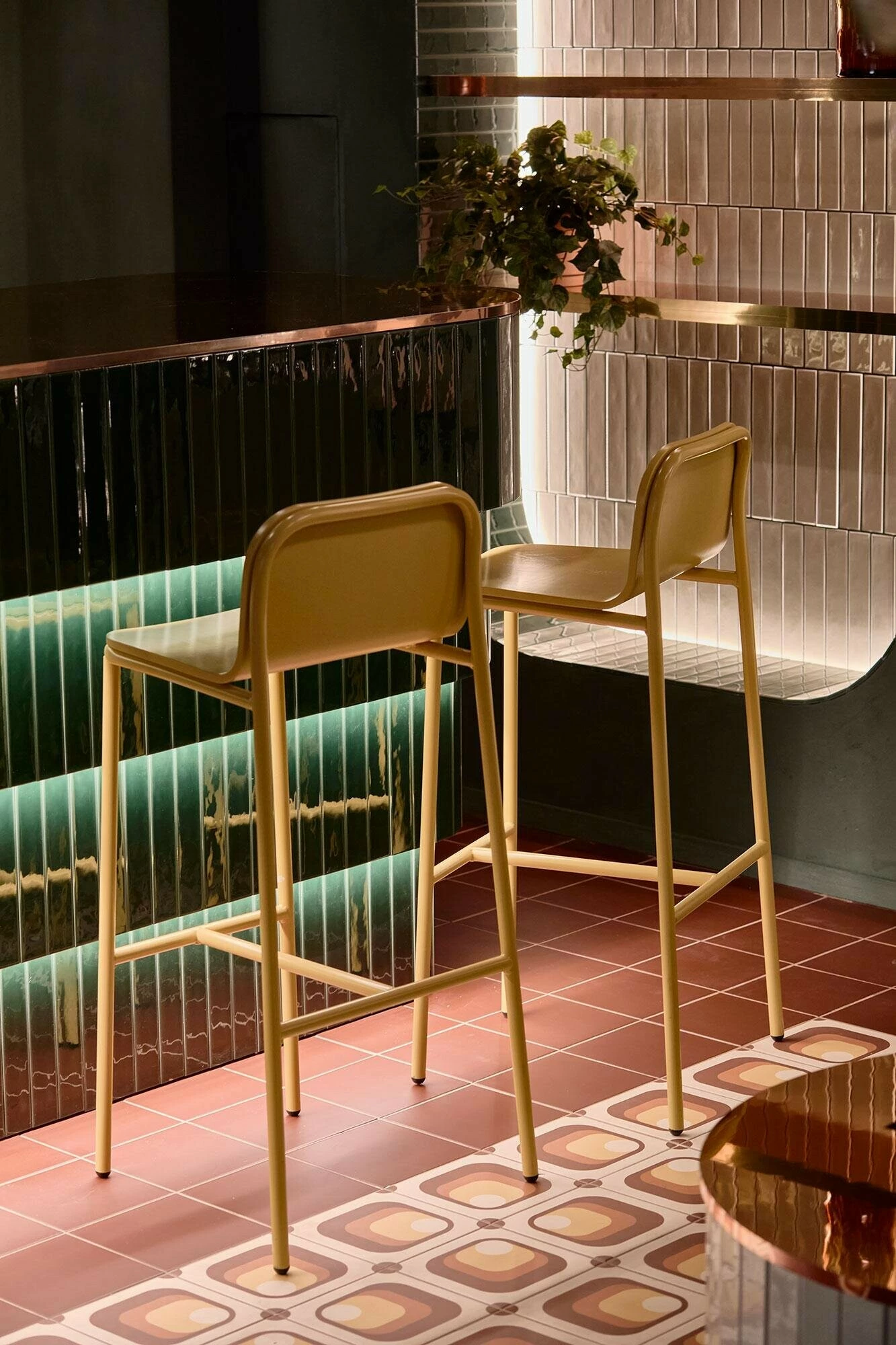
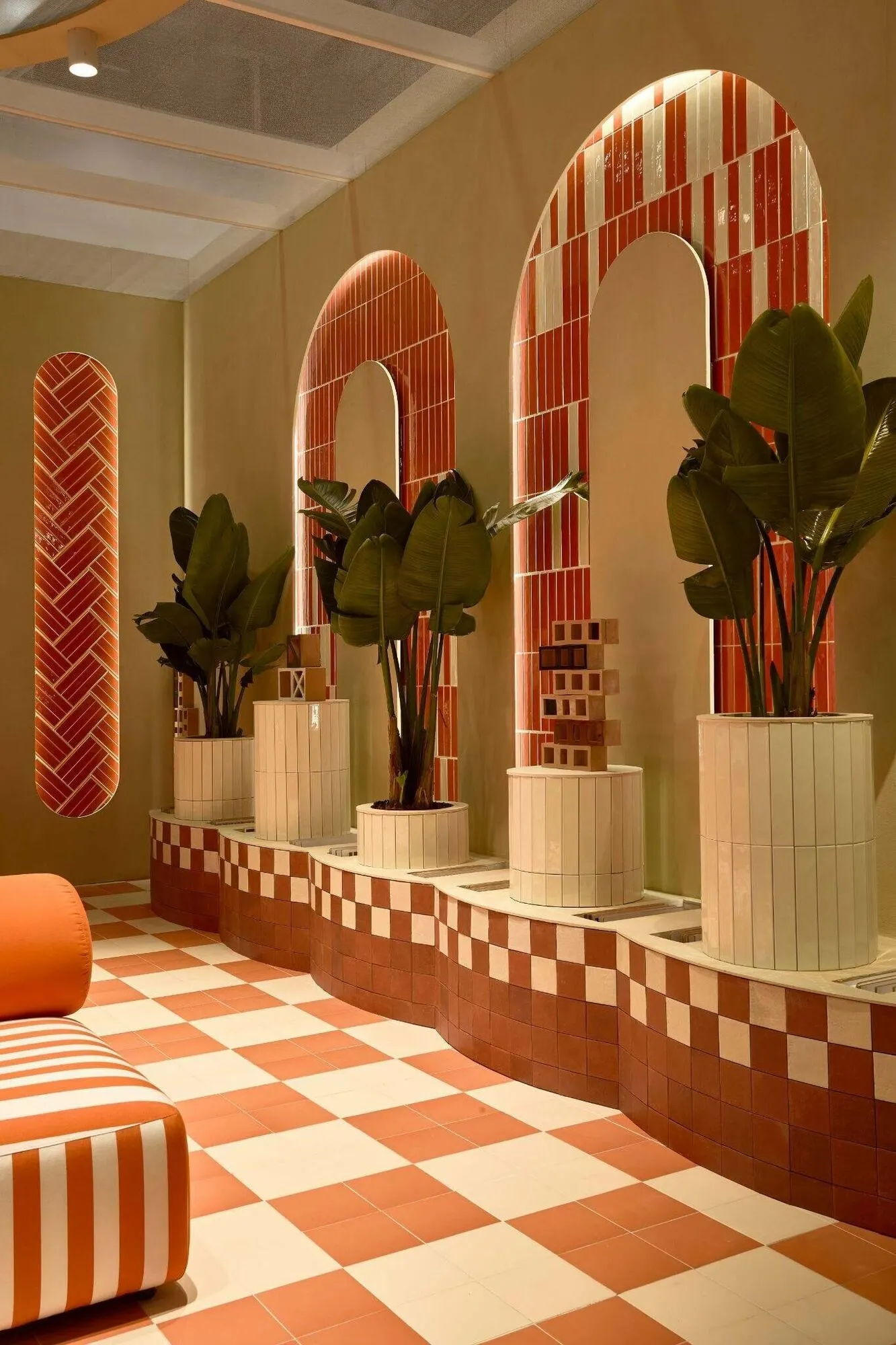
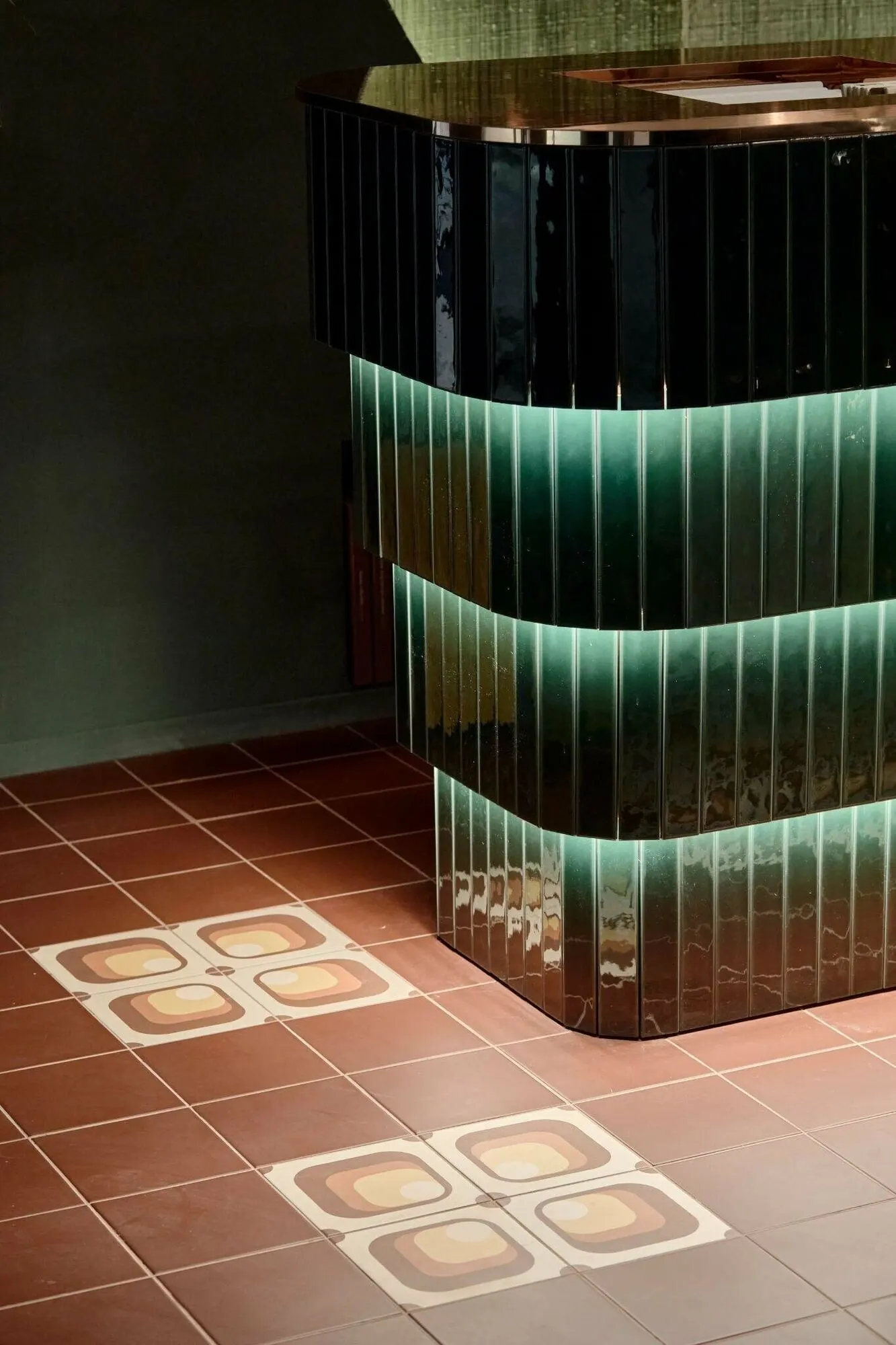
This stand at the previous edition of Cevisama was designed as a lounge that opens to the outside, simulating large windows where light and color take center stage. A clear nod to 70s culture through the ‘Groovy’ and ‘Funky’ collections. The stand is inspired by lounges and dance floors, a cocktail bar and a place to relax.

Night Fever, project for Cevisama 2025 recognized with an honorable mention.

Cersaie Project: L’Attimo: when ceramics turn the ephemeral into the eternal.

This edition of Cersaie 2025 was inspired by the beach bars of the Italian Amalfi Coast.

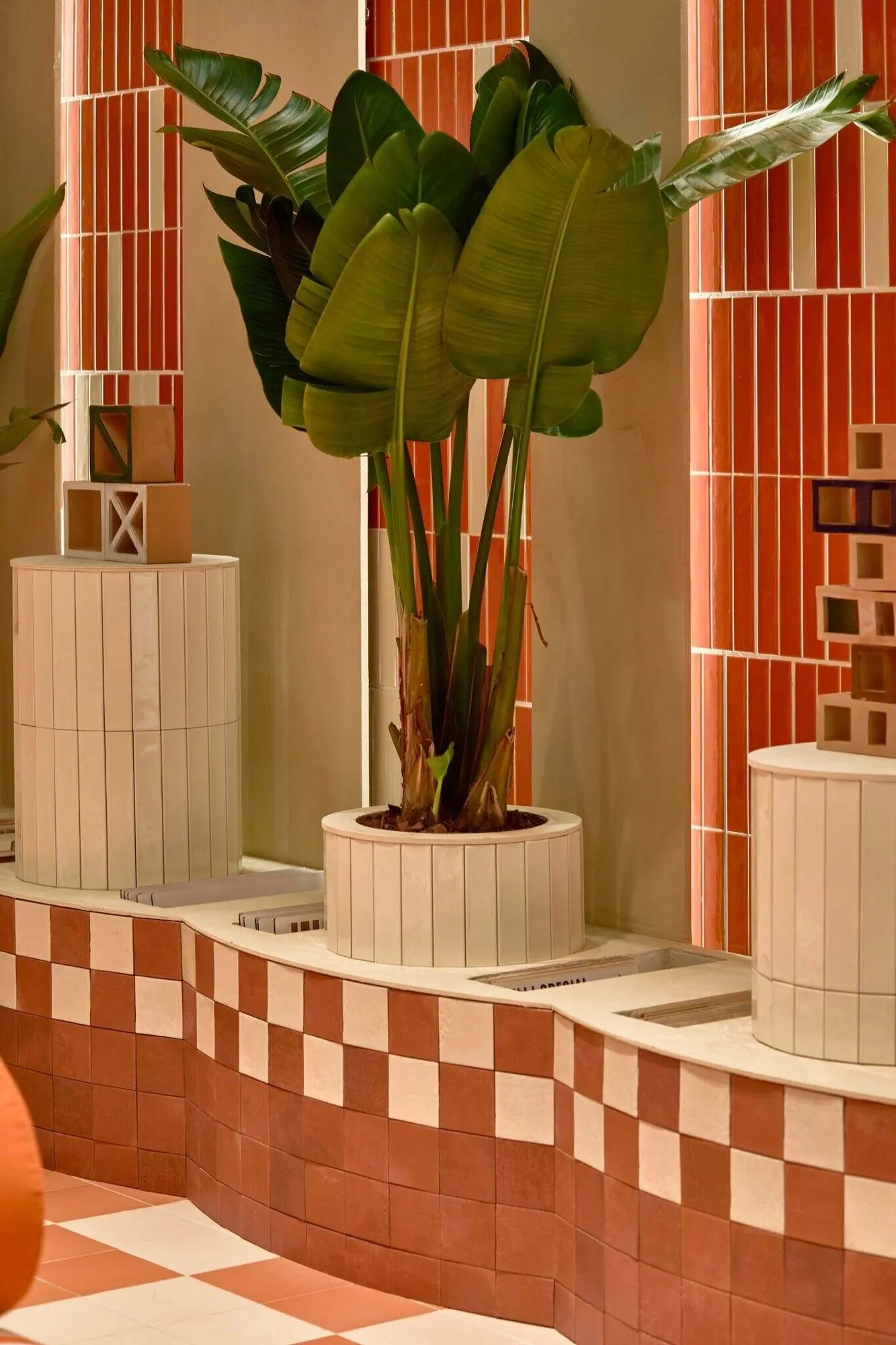
Ceramics become the absolute protagonist in columns, floors, and cladding, capturing the light and transforming it into a warm, vibrant atmosphere that captures the moment.

“In projects with Cevica, something very interesting happens to us: their colors and formats have so much personality that many times the material itself suggests routes, volumes, or scenes.”-Paralela.

The small format

Although many projects tend toward large format for its visual cleanliness, small format offers very powerful compositional freedom.

“Small format requires more attention, but precisely for that reason it offers a great deal of freedom. We do not see it as a limitation, but as an opportunity to compose.”, adds Paralela.

After exploring the team’s experience working with Cevica’s small-format pieces, we have seen that working with small pieces when composing spaces makes it possible to create rhythms, depth, patterns, transitions, plays of color, and changes in scale. It also allows the space to have a richer and more intimate reading.

Large-format can be very visually clean, “but small-format has an artisanal and expressive capacity that we find very powerful, especially when the goal is to create a memorable experience.”

That is one of Cevica’s great strengths: working with small-format ceramics capable of recovering the value of detail from a contemporary perspective. Ceramics designed for projects where the surface is not meant to go unnoticed, but to create an experience.

Cevica Lab

When a project needs a specific solution, the material cannot be a barrier.

From this idea, Cevica Lab was born, an initiative created to support studios, architects, interior designers, and specifiers in the development of fully customized ceramic tiles.

Color, format, finish, texture, or combination of pieces can be adapted according to the needs of the project, allowing ceramics to engage in dialogue with the specific concept of each atmosphere that is to be created.

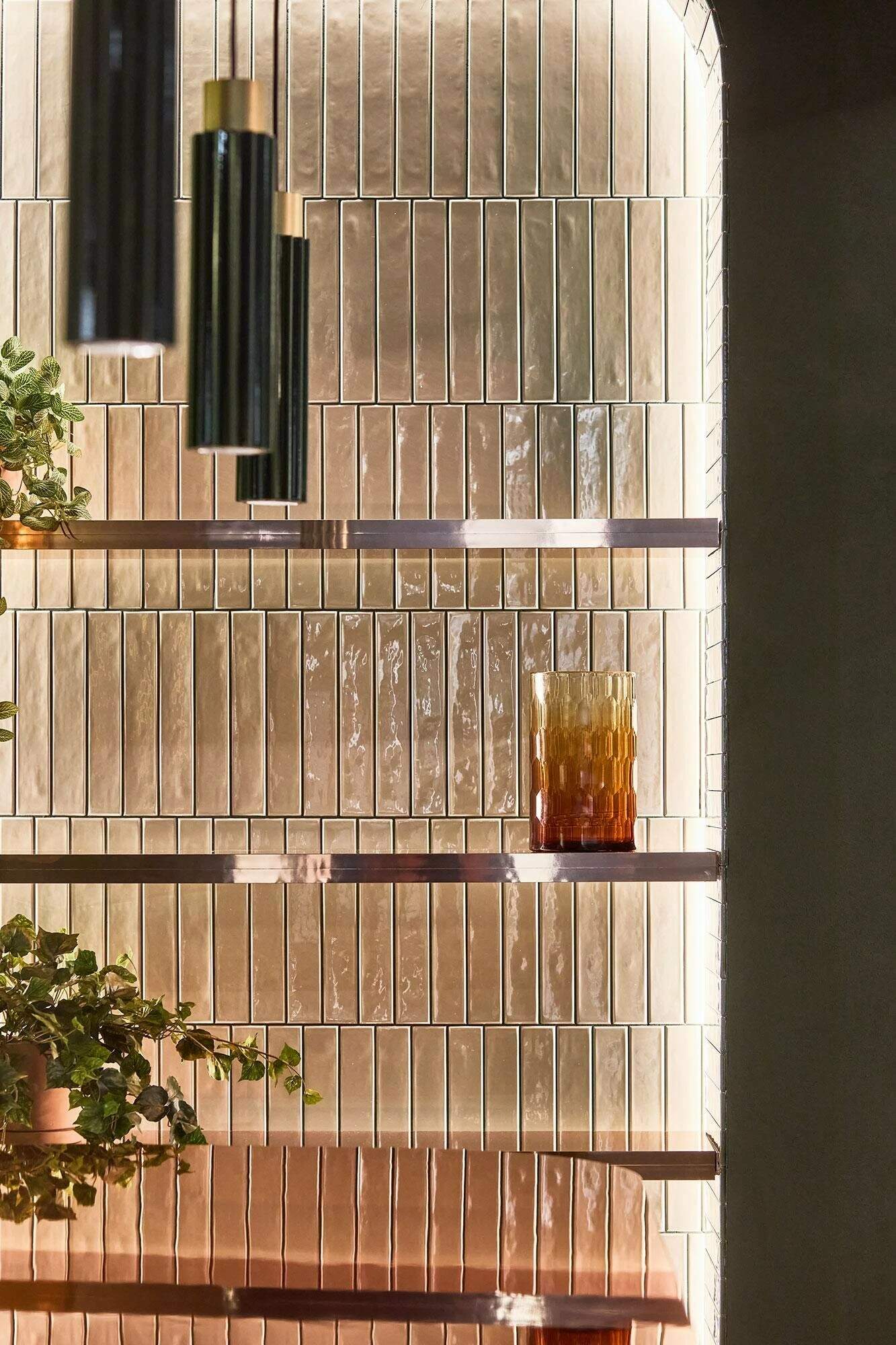
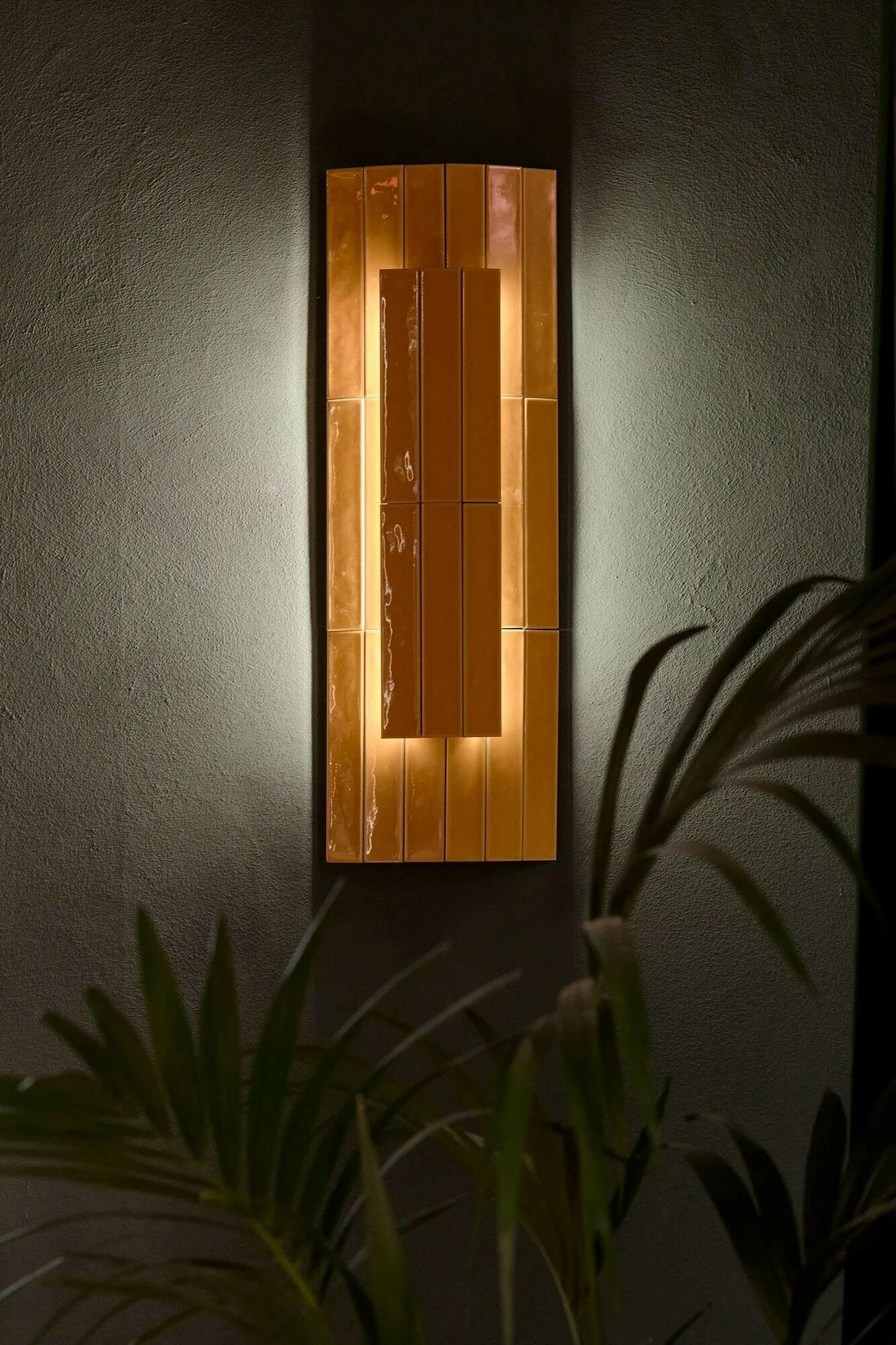
Here is an example of one of the projects carried out with Cevica Lab by Paralela for Marbella Design and Art 2026

A memorable space is born from the intersection of narrative, light, texture, color, rigorous execution, and detail. But it also arises from the collaboration between those who imagine the project and those who understand the material.

At Cevica, we understand ceramics as identity, not just as a product. That is why we collaborate with studios looking for more than a standard solution, such as Paralela, which need materials with personality, adaptability, and sensitivity to detail; because when ceramics enter a project from the concept stage, they stop merely covering spaces and begin to define them.

Text: Cevica

Projects: Paralela

Photographs: Adam García Pozo