News 19/05/2026

Cevica returns to Milan Design Week

Share

Cevica returns to Milan Design Week

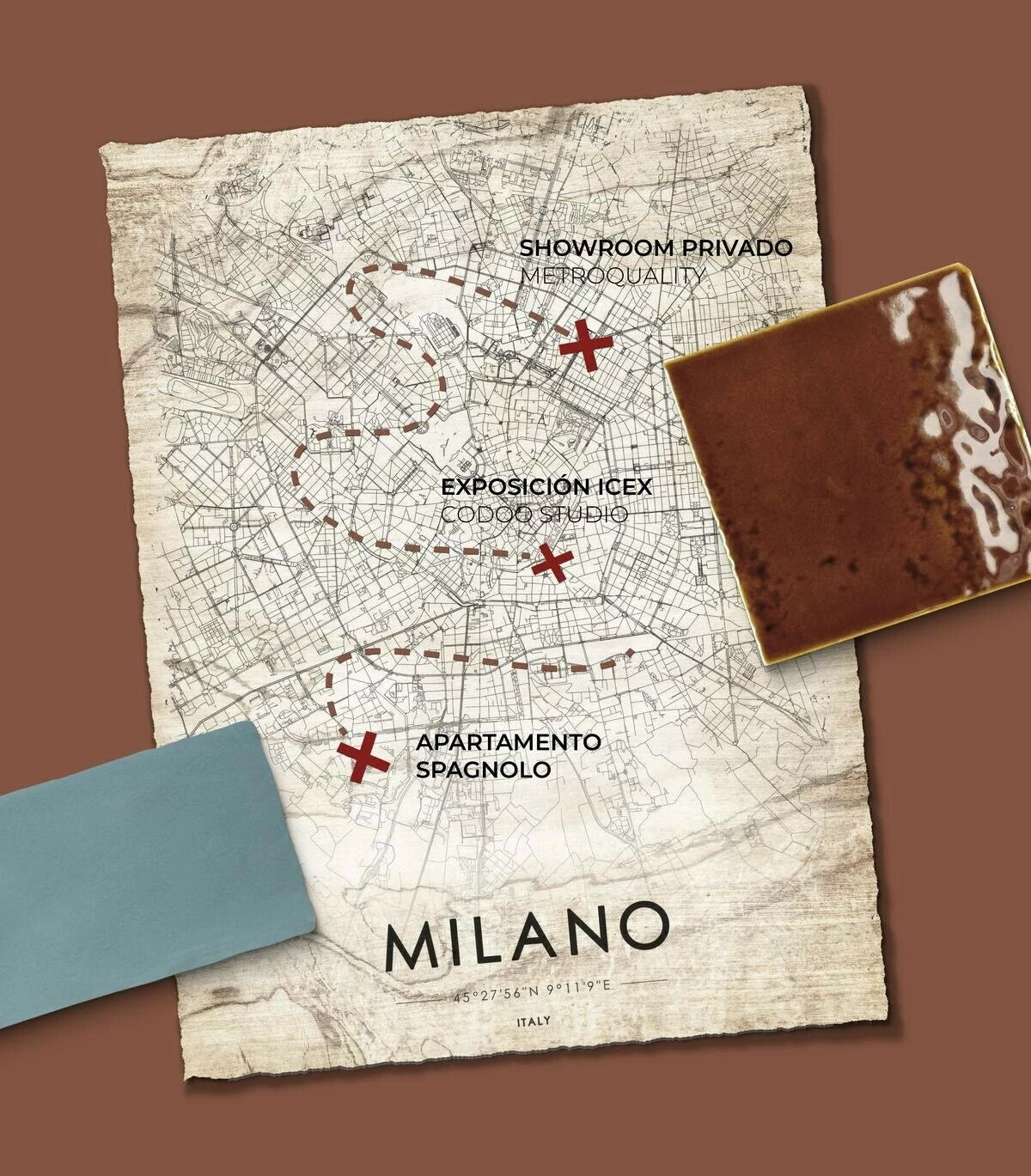
Last April, Milan became the global epicenter of design with the ‘Milano Design Week,’ and Cevica returned to conquer it. Following the success of a previous edition, this year the tile brand once again appeared at several Fuorisalone events.

Milano Design Week is not just an event; it is where design becomes a global trend, attracting the attention of thousands of architects, interior designers, designers, and industry leaders from around the world. Alongside Salone del Mobile, Fuorisalone is an event that gives rise to experimental proposals, turning every corner of the city into a living stage for innovation and design. 

After the success of the previous edition, which attracted more than 270,000 visitors, this year Cevica once again made its presence felt, consolidating its identity through three different strategic locations.

Metroquality

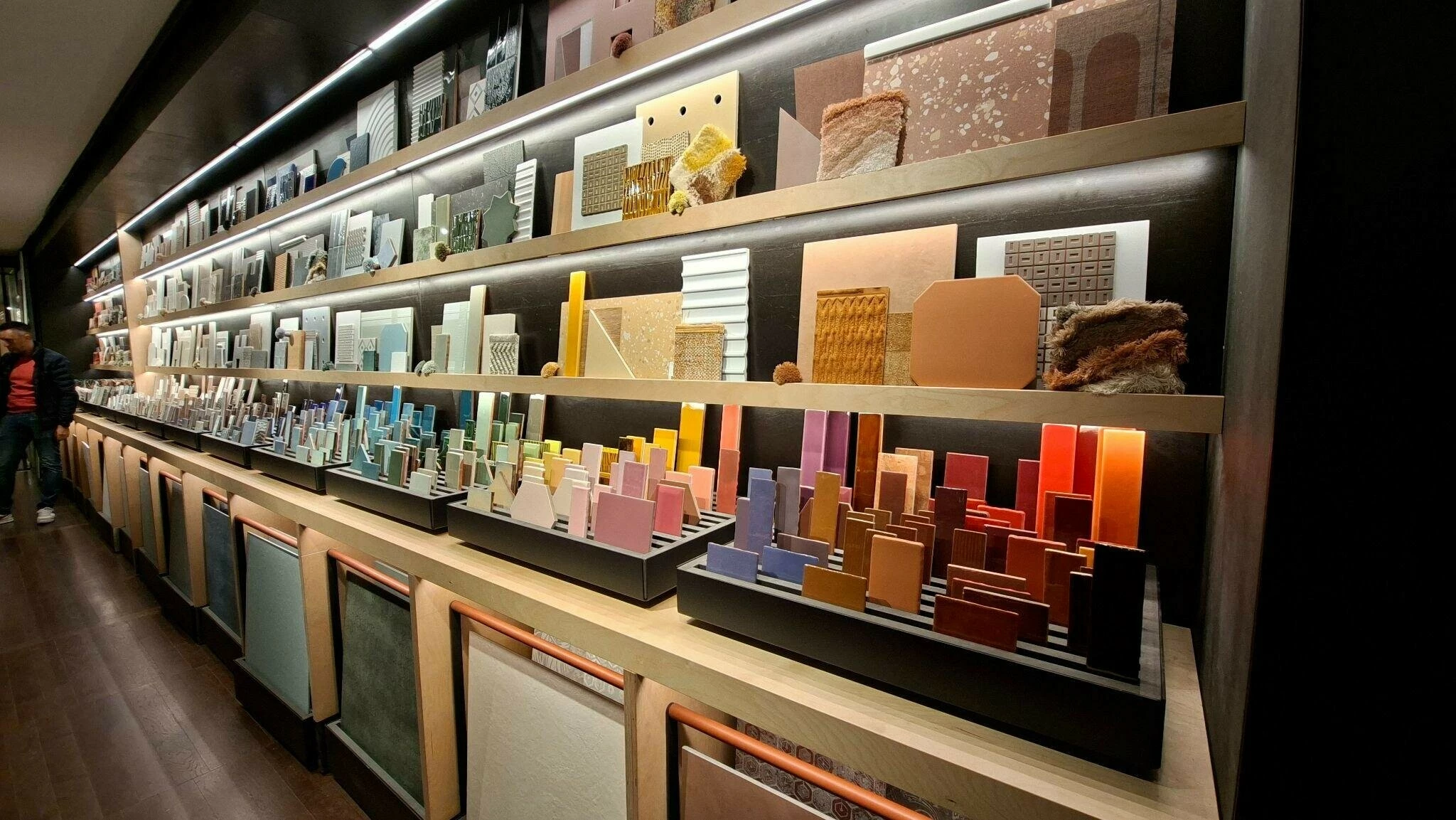
Our first stop takes us to the heart of Brera, Metroquality, a private showroom of international renown. In this 450-square-meter space dedicated exclusively to design professionals, physical samples of our tiles are displayed, integrated into this ‘material library’ of more than 3,500 samples. From wall coverings to bathrooms and attractive collections of inspiration panels.
Here, Cevica ceramics cease to be an isolated product and become a real technical and aesthetic solution, delighting architects and interior designers with textures, glazes, and distinct, carefully planned combinations.
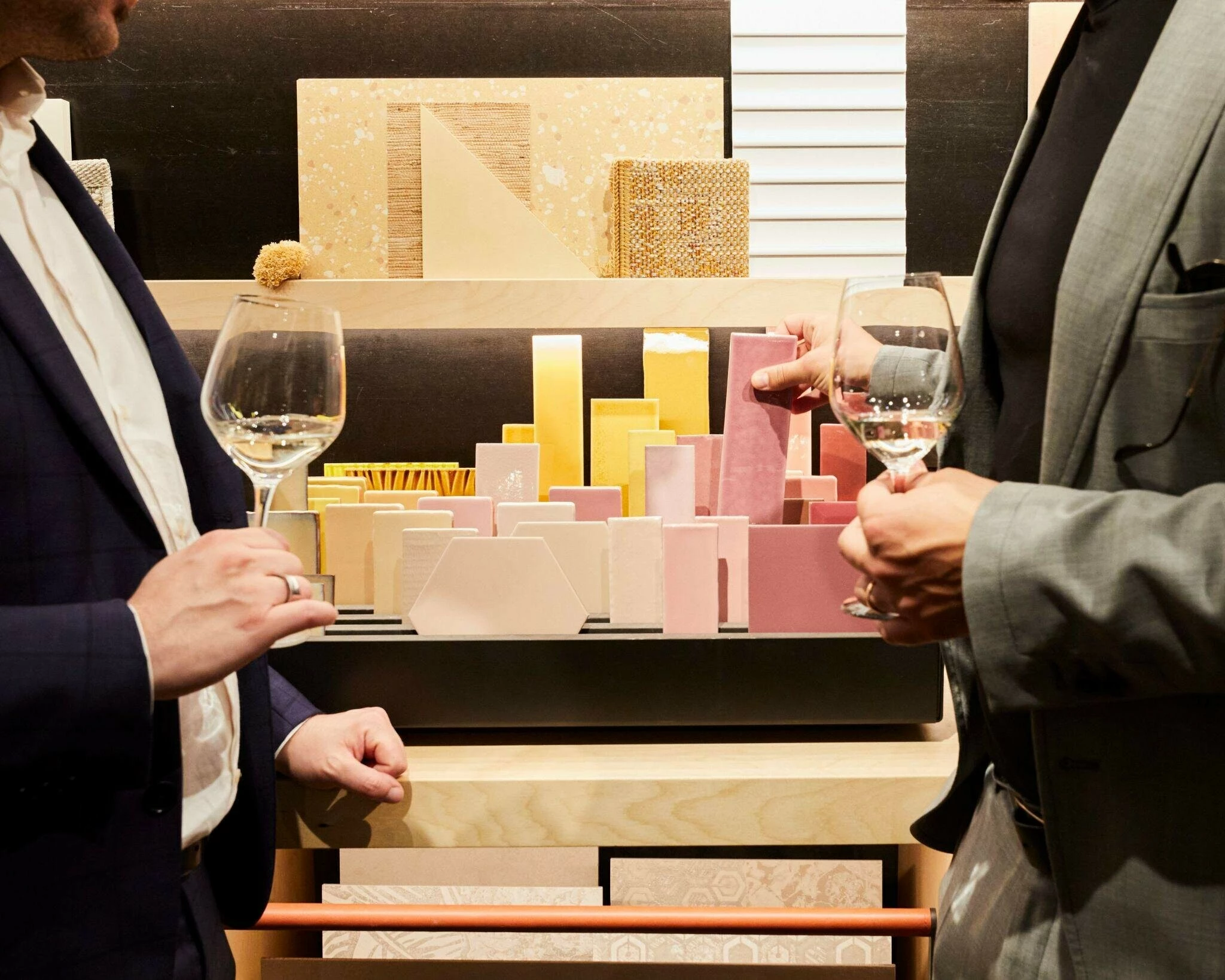
Courtesy of MetroQuality and Hector Bea

Apartamento Spagnolo IV

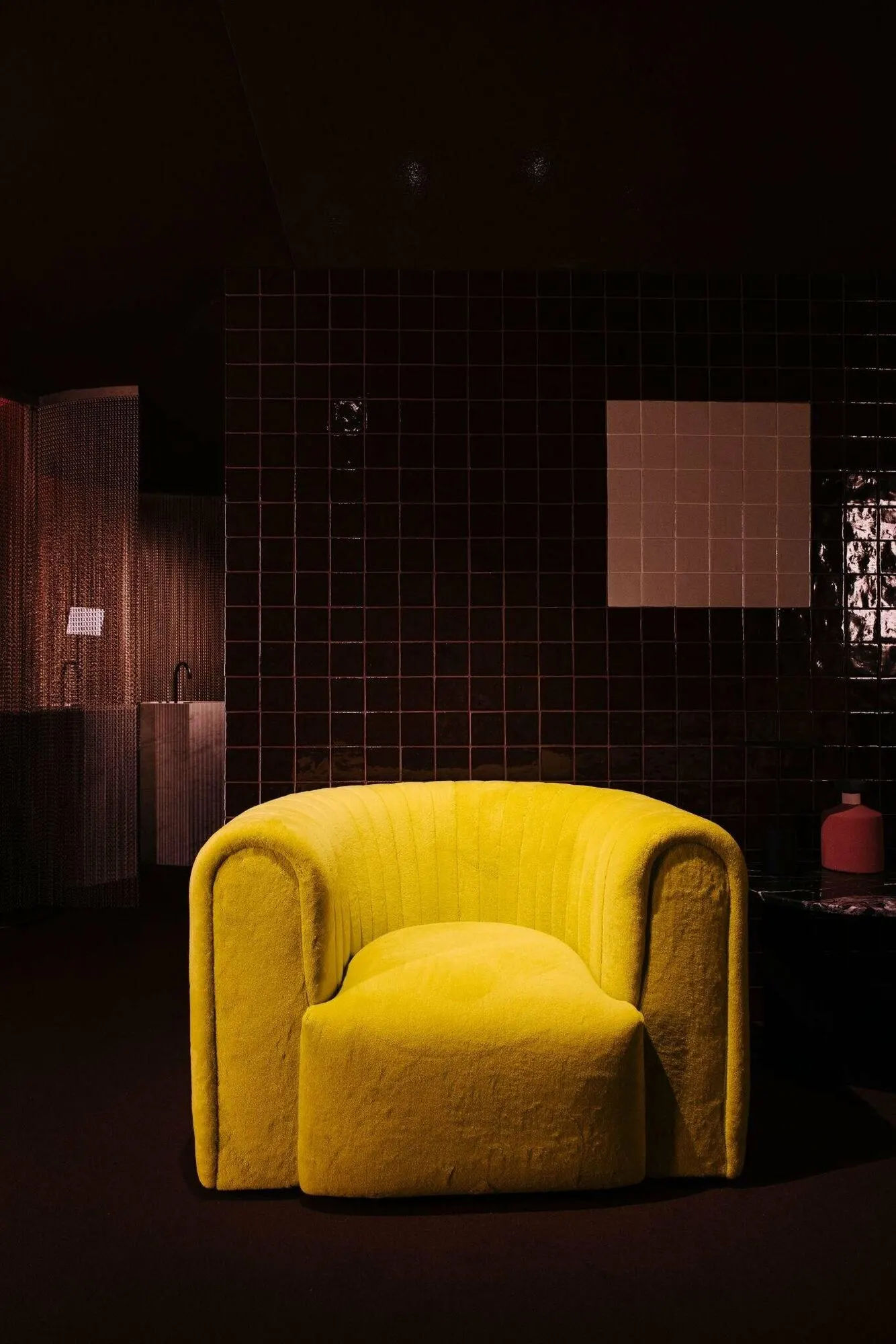
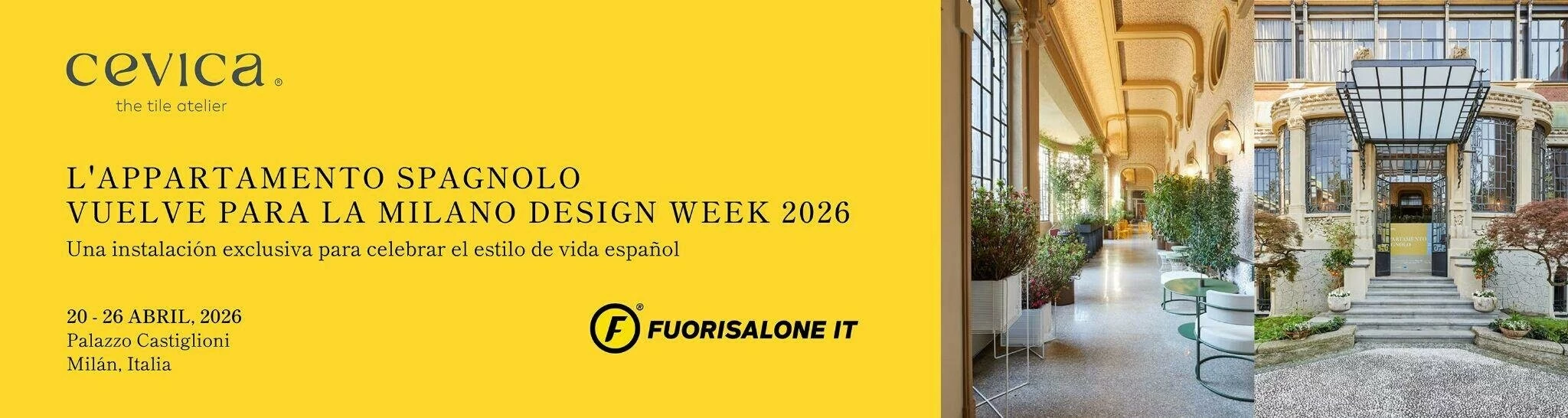
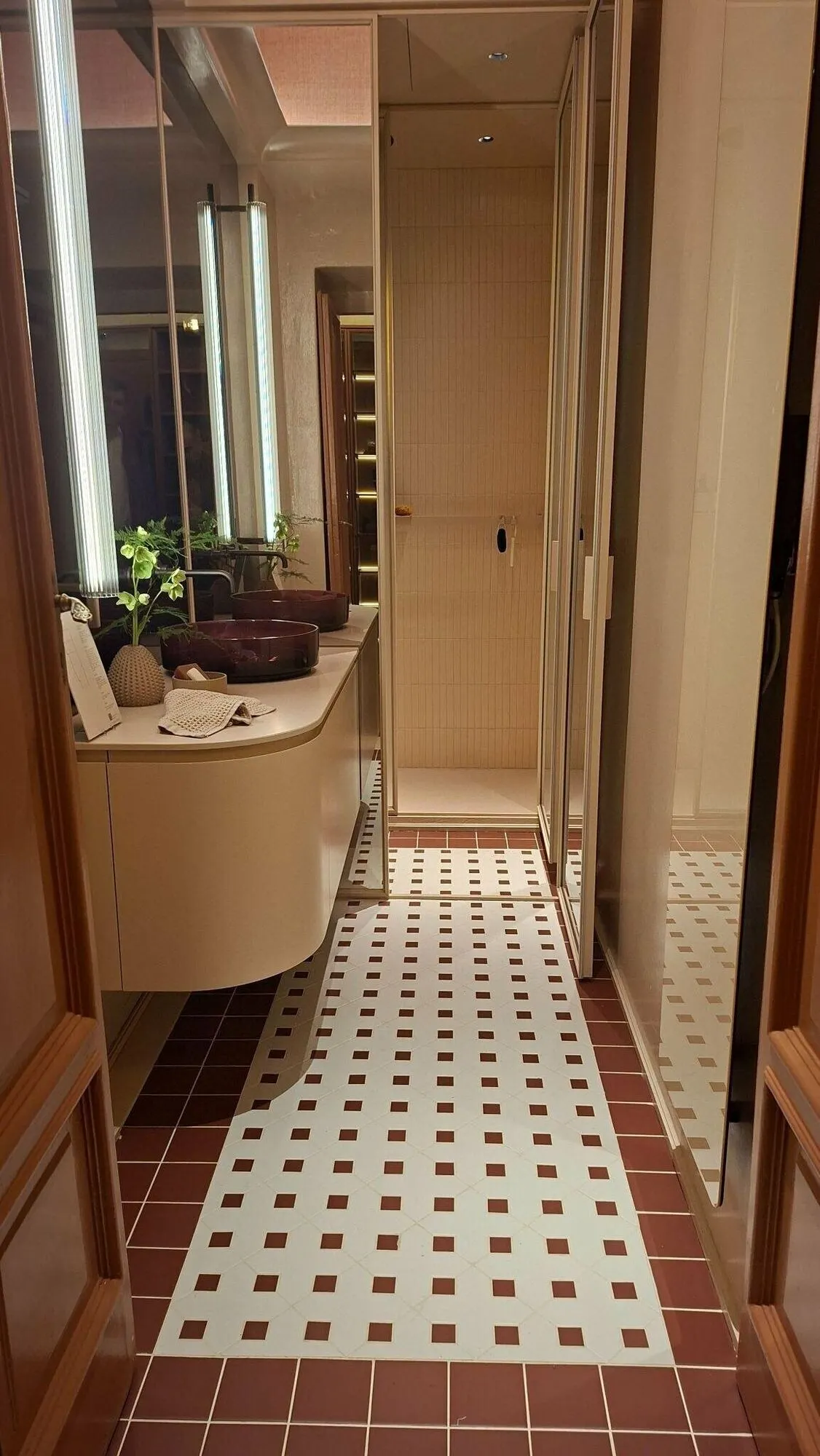
Continuing with the map, we have had the pleasure of decorating some areas inside the Palazzo Castiglioni in Milan with our pieces as part of the ‘Appartamento Spagnolo IV’ project, an immersive experience where design is lived from within.

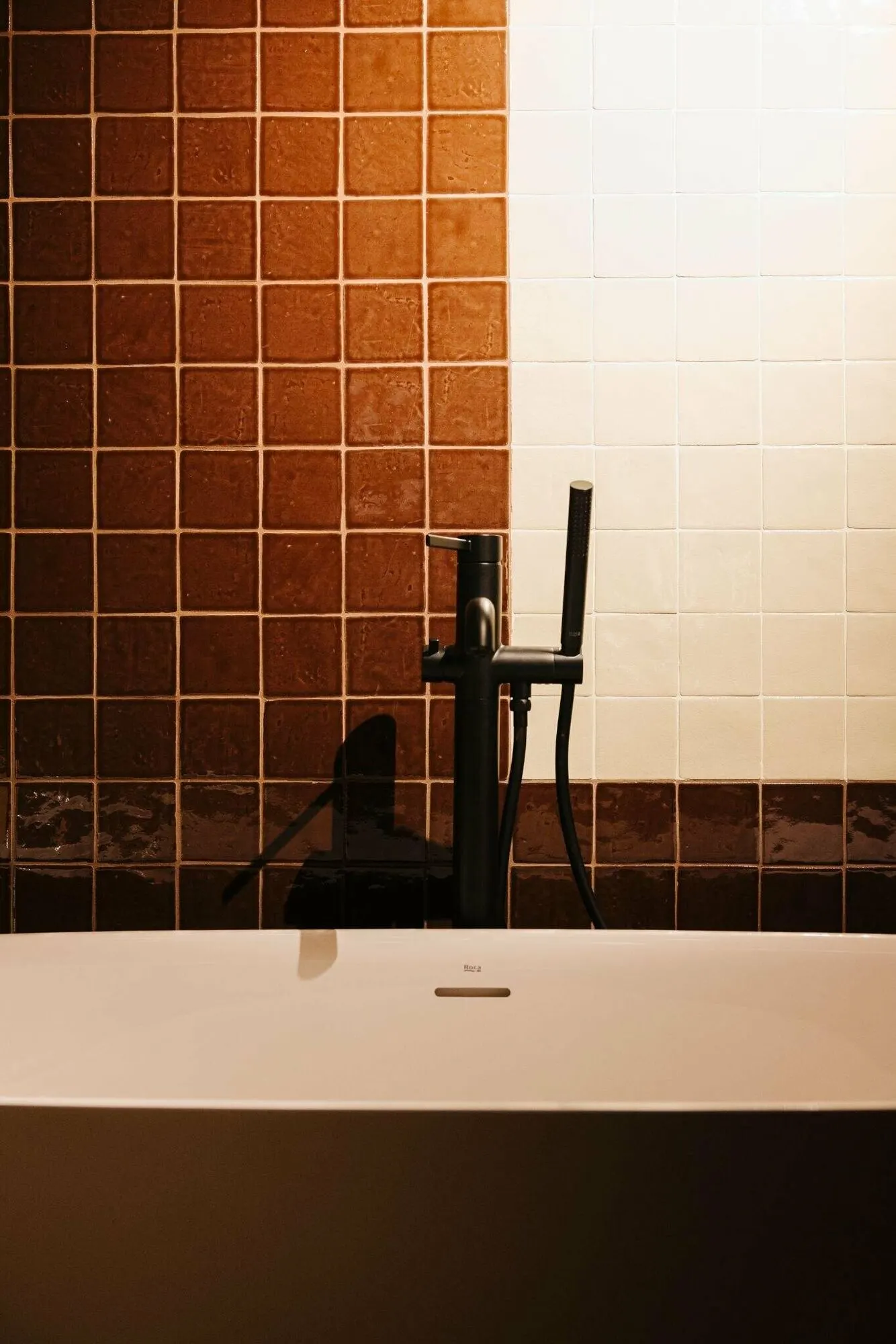
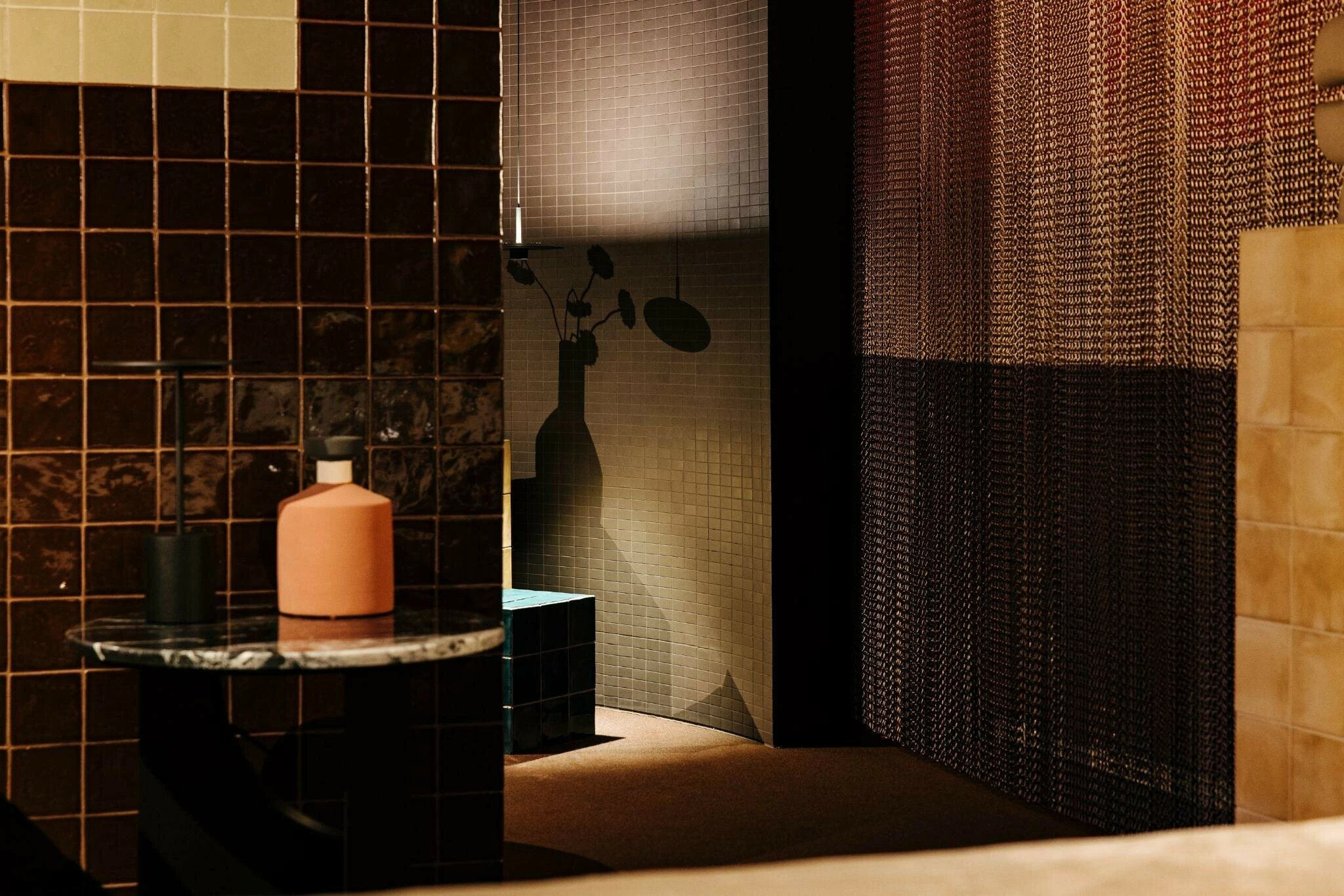
This is one of the most exclusive spaces in Spanish design, promoted by ICEX and Tile of Spain at Fuorisalone. Elle Decor Italia and StudioPepe are responsible for making this idea a reality. In it, Cevica, together with other brands, contributes its ceramic vision with unique spaces that give the palace identity. Confusing spaces that cross one another, guided by the curiosity offered by metal mesh curtains, with lighting that allows us to glimpse the rooms without fully seeing them, creating transparencies that awaken the visitor’s curiosity about the different ceramic wall glazes. Making them stand out for their colors, shine and graphic patterns, as in the case of Cevica, with the Provenza Craquelé collection in brown and ash 10x10.

Intimate atmospheres with great personality that bring together tradition and contemporaneity under one roof, resulting in a seal of quality and design that defines and lends prestige to our industry

Photography by Davide Mandolini

ICEX Exhibition: ‘Spanish Design as a Souvenir’

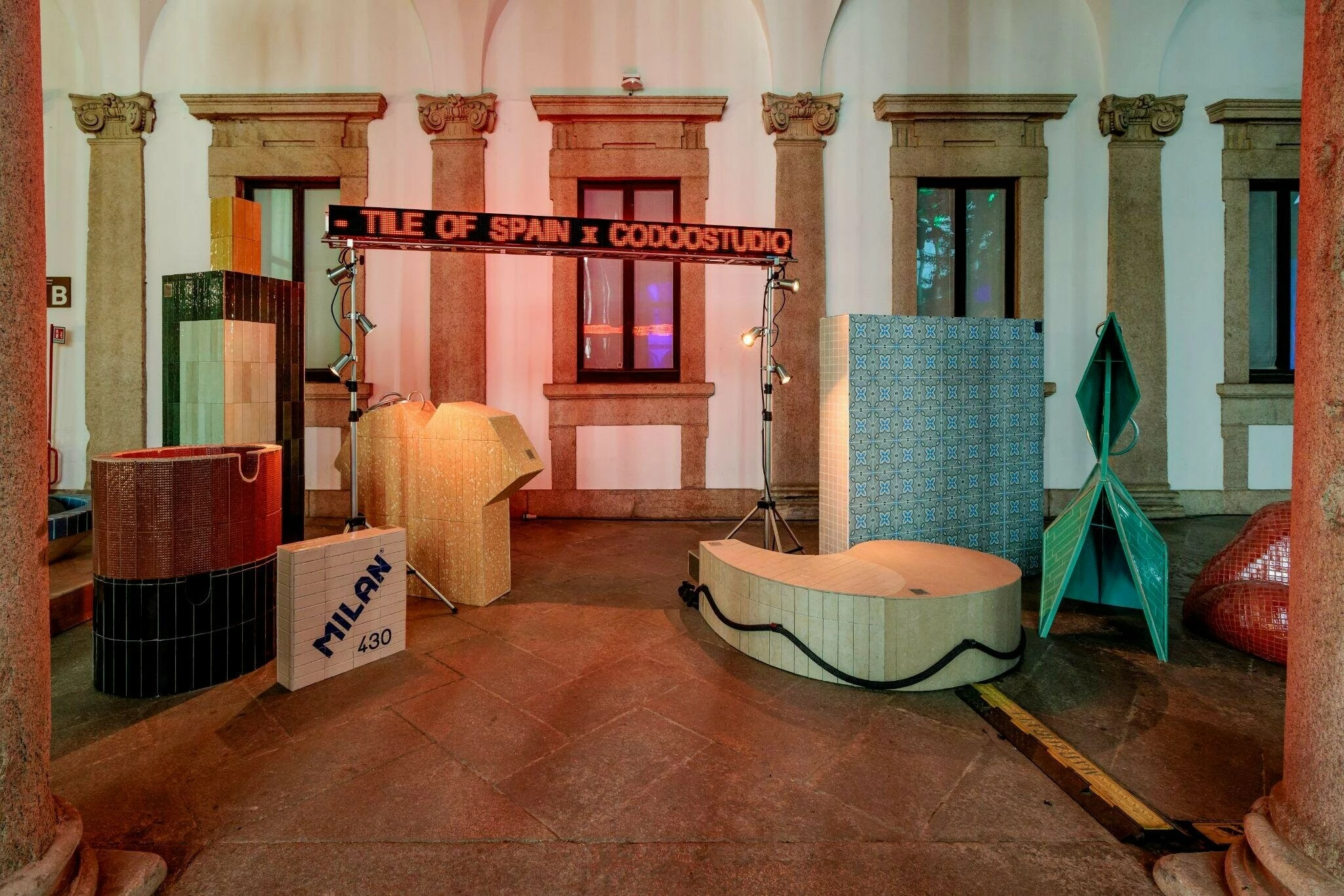
As our final destination, we filled the iconic venue of the Università Degli Studi di Milano with inspiration. There, ‘Spanish Design as a Souvenir’ was presented, an initiative by ICEX, ASCER and Tile of Spain at the University of Milan that shows that ceramics know no limits when it comes to cutting-edge design. 

The main theme of the exhibition is ‘Materiae’, from which a powerful question arises: can design become memory? The answer takes shape in an immersive proposal, titled ‘Spanish Design As A Souvenir’, a contemporary vision of Spanish design brought to life under the direction of CodooStudio, a Madrid-based architecture and interior design studio. 

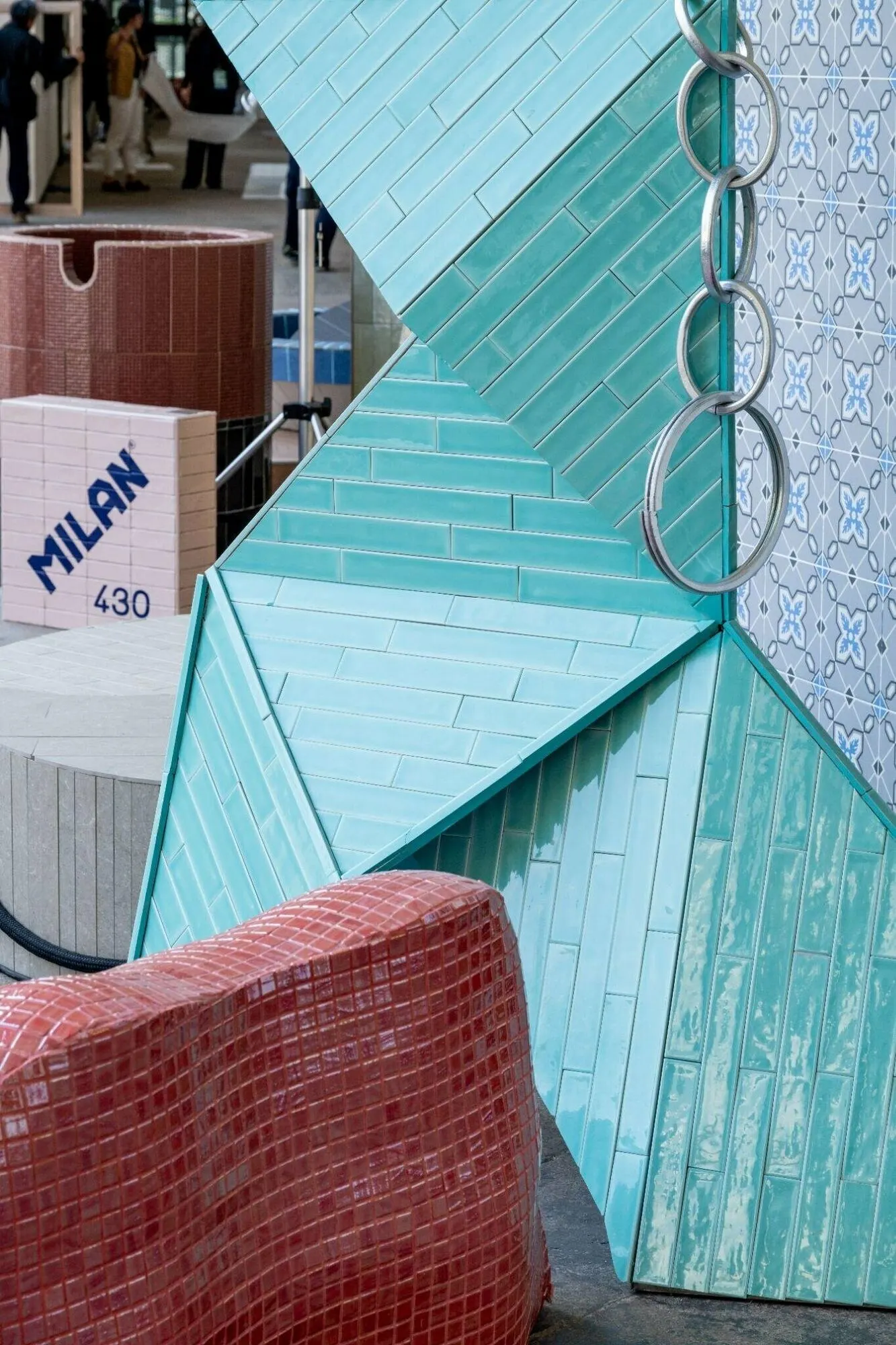
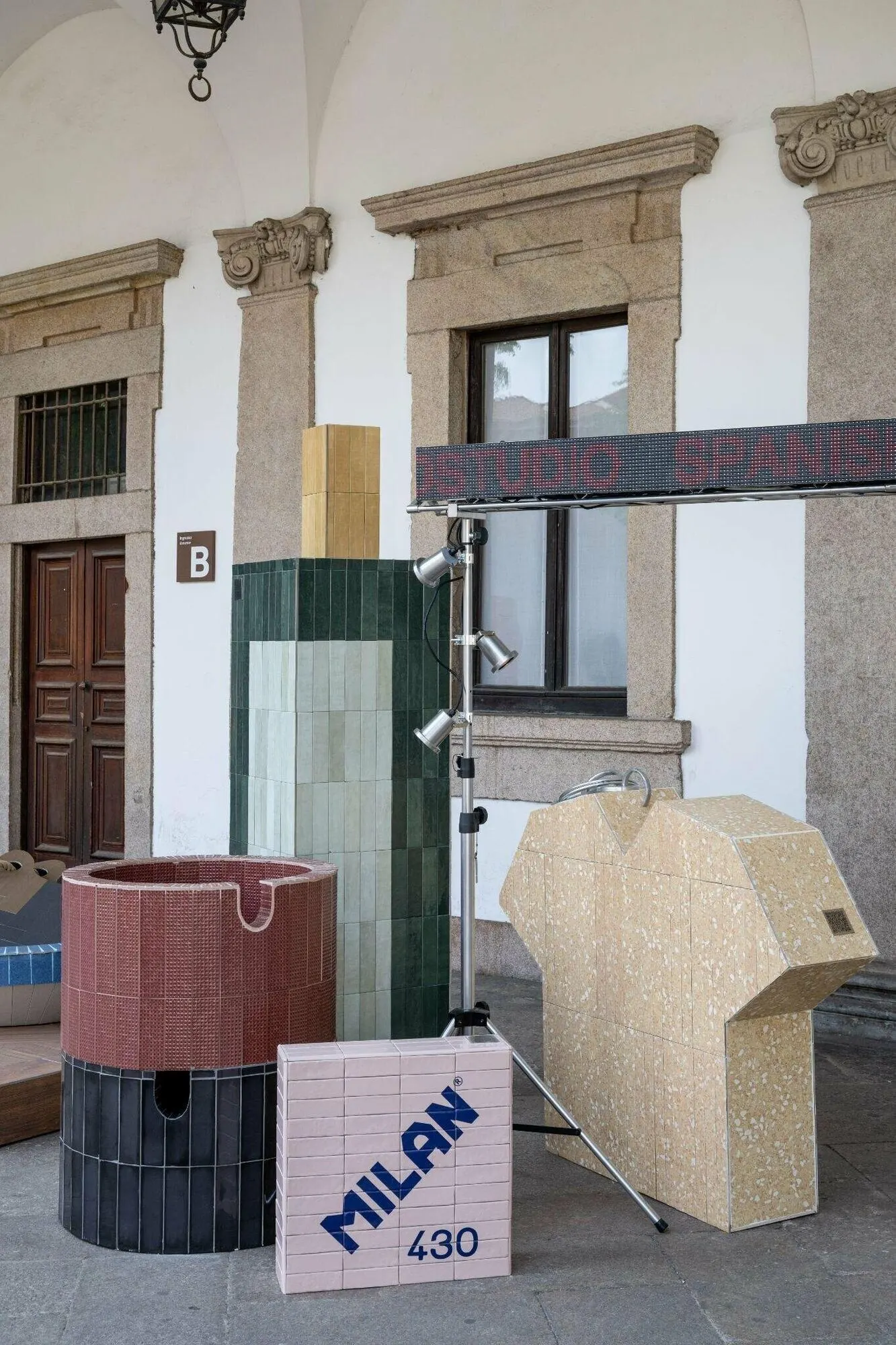
The result presents a still life on an architectural scale. Eleven sculptural totems clad in ceramics have been designed to incorporate icons of Spanish design and cultural references, bringing the familiar into a new creative context. This year, Cevica was entrusted with bringing two of them to life: the Pajarita and the Milan 430 eraser.

Photographs by Saverio Lombardi Vallauri

Our stay in Milan has been a source of mutual inspiration. A meeting point between brands, creativity, and cultures. An opportunity, once again, to demonstrate that our small-format ceramic tiles have the power to define large spaces.